

Meal Planning Specialist in Newtown, PA
At Primary Prevention Center, our team provides personalized meal planning services to help you maintain a healthy lifestyle. Whether you need help managing a medical condition or just want to improve your diet, we’re here to guide you every step of the way. With a tailored meal plan, we make it easier to reach your health goals. Contact us today to schedule your consultation. Our clinic is located at 638 Newtown Yardley Road, Suite 2G/H, Newtown, PA 18940.
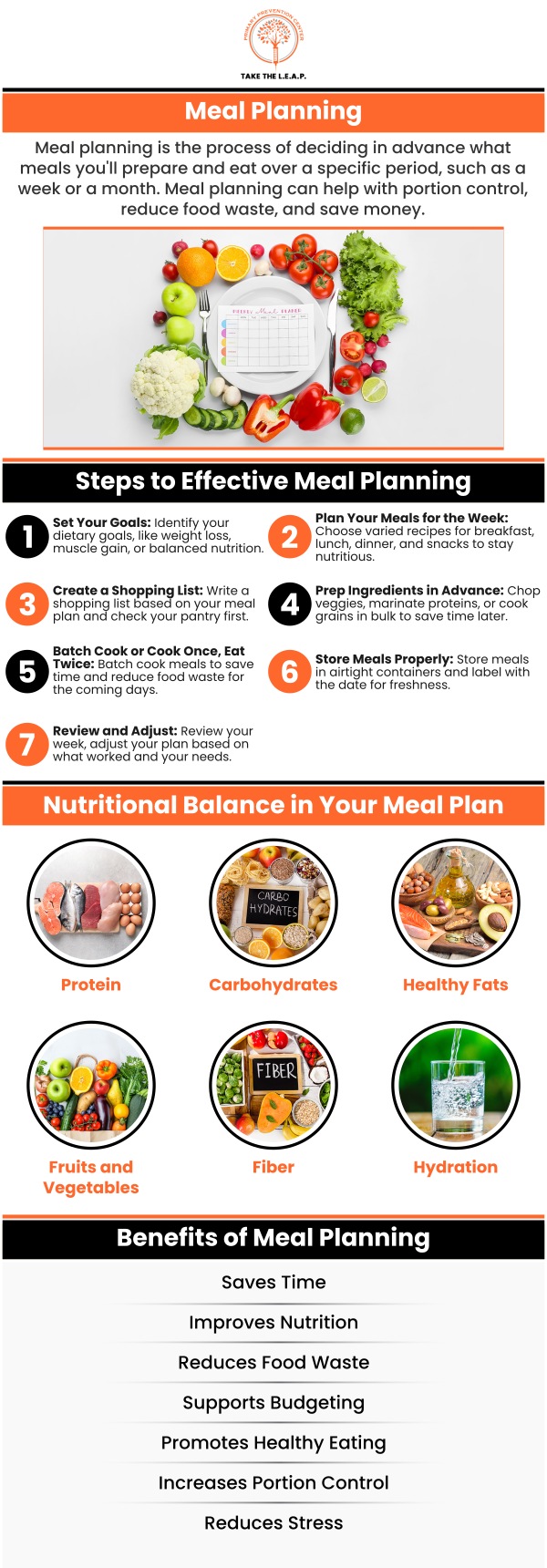
Table of Contents:
What is meal planning?
Why should I have a meal plan?
What do I need for meal planning?
What are the dos and the don’ts when it comes to meal planning?
Meal Planning Specialist in Newtown, PA: How Michael Como Helps You Achieve Better Health
Meal planning is the process of organizing what will be consumed for each meal over a specific period in order to support consistent nutrition, health goals, and lifestyle needs. Meal planning is an individualized component of holistic care, combining conventional nutrition principles with functional medicine practices. The specialists approach meal planning as a tool to enhance wellness, address chronic conditions, and prevent metabolic or gastrointestinal issues by considering how food interacts with each patient’s body and lifestyle.
A structured meal plan involves aligning food choices with personal health objectives, dietary preferences, and nutrient requirements. Patients with conditions such as prediabetes, diabetes, hypertension, or autoimmune disorders may benefit from tailored meal strategies that manage blood sugar, inflammation, and cardiovascular risk. Providers consider lab results, medical history, and lifestyle assessments to design these plans with precision, ensuring that meals support both short-term energy needs and long term health outcomes.
Meal planning also integrates behavioral and environmental considerations that influence eating habits. The specialists consider work schedules, family routines, access to food, and cultural preferences when developing plans. By doing so, meal planning becomes a realistic, sustainable guide, allowing patients to incorporate healthy practices without stress or disruption.
The specialists at Primary Prevention Center work with patients to evaluate current habits, identify nutritional gaps, and establish clear objectives for both daily intake and weekly structure. This approach ensures that meal planning is actionable in the patient’s daily life, supporting long-term lifestyle transformation while preventing or managing chronic health conditions.
Having a meal plan provides a foundation for consistent, balanced nutrition that can support disease prevention, symptom management, and overall well-being. For patients working with the specialists at Primary Prevention Center, meal planning serves as a cornerstone of health optimization, helping to regulate blood sugar, improve digestive function, and reduce inflammation. Individuals with obesity, high cholesterol, or hypertension can particularly benefit from structured eating that mitigates spikes and dips in energy and metabolic stress.
A meal plan also offers practical benefits beyond physiological effects. By pre-determining meals, patients reduce decision fatigue, avoid impulsive food choices, and gain clarity on portion sizes and nutrient balance. The structured approach helps patients establish regular patterns of eating that align with their lifestyle and schedules, increasing adherence and long-term success. For those managing chronic conditions such as GERD or irritable bowel syndrome, consistent timing and composition of meals can improve symptom control and digestive comfort.
Having a meal plan creates measurable benchmarks that guide patient progress. Specialists monitor adherence, nutrient intake, and symptom changes to refine the plan over time, adjusting for lifestyle shifts, lab results, or emerging health goals.
Effective meal planning begins with a clear understanding of personal health needs and lifestyle parameters. Patients are guided to gather information about medical history, dietary restrictions, current nutritional habits, and any ongoing health concerns. This forms the foundation for planning meals that not only meet caloric requirements but also optimize metabolic function, reduce inflammation, and support specific health goals such as weight management or improved glycemic control.
Patients also benefit from understanding nutrient composition, portion sizes, and food group balance. Providers customize guidance for each individual, offering structured recommendations for protein, carbohydrate, fat, fiber, and micronutrient intake. This ensures that the meal plan is tailored to support both clinical objectives, such as reducing cholesterol or managing prediabetes, and broader wellness goals, including energy, digestion, and immune function.
Meal planning incorporates behavioral strategies to support adherence. Specialists work with patients to identify potential barriers, anticipate challenging days, and develop contingency strategies for social events or travel. By integrating practical skills, nutritional knowledge, and behavioral planning, the process at Primary Prevention Center in Newtown, PA ensures that meal planning becomes a sustainable component of a patient’s lifestyle.
The “dos” of meal planning begin with customization. Each plan should reflect individual health conditions, nutrient requirements, lifestyle habits, and personal preferences. Specialists create plans that consider laboratory results, chronic conditions, and wellness objectives to provide actionable guidance that balances health with enjoyment and sustainability. This personalized approach helps patients adhere to the plan and achieve measurable improvements in blood sugar, cholesterol, inflammation, or weight management. Another “do” is preparation. Planning for shopping, cooking, and storage reduces reliance on processed or fast foods, ensures appropriate portion sizes, and allows integration of nutrient-rich foods such as vegetables, lean proteins, and whole grains.
On the “don’t” side, meal planning should avoid overly rigid plans that may prove unsustainable. Overly restrictive plans that ignore preferences and lifestyle are less likely to be maintained and can create stress or unhealthy patterns. Specialists guide patients in creating flexibility, including swap options, occasional treats, and adaptive strategies to maintain consistency without compromising health outcomes.
The Primary Prevention Center team tracks adherence, symptom response, and laboratory markers to refine meal plans over time. This process ensures that the plan evolves with the patient’s health status, lifestyle changes, and long-term goals. By combining expert guidance, individualized customization, and ongoing assessment, patients receive meal plans that are effective, practical, and sustainable for lasting health transformation.
As a meal planning specialist in Newtown, PA, Michael Como, FNP, CRNP, MSN, combines his expertise in healthcare and nutrition to help patients achieve optimal health through personalized meal planning. Michael’s approach goes beyond simple dietary advice—he creates tailored meal plans that align with your specific health conditions, lifestyle, and goals. Whether you’re managing chronic illness, looking to lose weight, or simply aiming for a healthier diet, Michael provides you with actionable strategies that make meal planning easy and effective.
Michael Como’s experience as a nurse practitioner allows him to assess the nutritional needs of his patients holistically, ensuring that each meal plan is not only healthy but also practical and sustainable. At Primary Prevention Center, he works closely with patients to ensure that their meal plans fit their daily lives while supporting their long-term health objectives. By focusing on sustainable habits and evidence-based nutritional advice, Michael empowers patients to take control of their health and wellness through the power of balanced, thoughtful meal planning. Meal planning is available at the Primary Prevention Center. For more information, contact us or request an appointment online. We are located at 638 Newtown-Yardley Road Suite 2G/H, Newtown, PA 18940. We serve patients from Newtown PA, Richboro PA, Newtown Grant PA, Churchville PA, Woodbourne PA, Yardley PA, Bucks County PA, and surrounding areas.
Check Out Our 5 Star Reviews



Additional Services We Offer
▸ Dietary Consultation & Planning
▸ IV Vitamin Therapy
▸ Diabetes
▸ Hypertension
▸ Insomnia
▸ Autoimmune Disease
▸ Meal planning


 Send Text
 How May I Help You?