

Addressing the Root Causes of Weight Gain in Women
At Primary Prevention Center PLLC in Newtown, PA, our team focuses on identifying and addressing the root causes of weight gain in women. Factors such as hormonal imbalances, stress, poor nutrition, and lack of sleep can all contribute to unwanted weight gain. Our holistic approach includes functional medicine, dietary support, and lifestyle modifications to help women regain balance, optimize metabolism, and achieve sustainable weight management. For more information, contact us or request an appointment online. We are located at 638 Newtown-Yardley Road Suite 2G/H, Newtown, PA 18940.
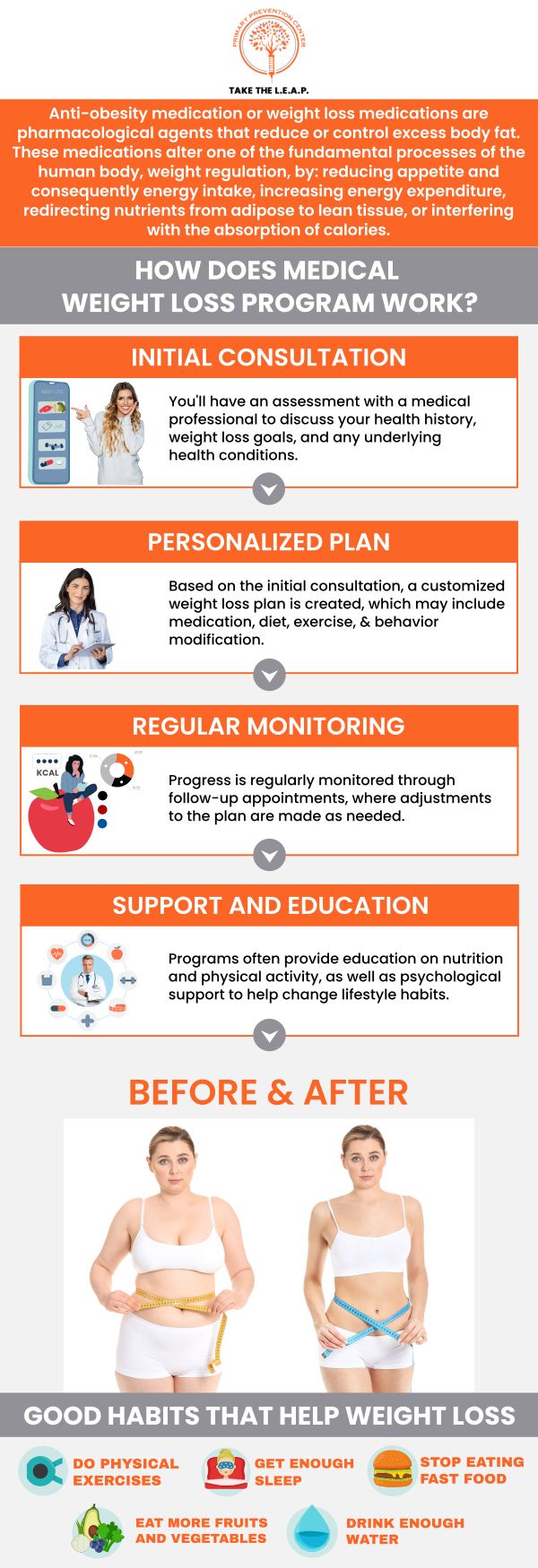
Table of Contents:
What are the most common causes of weight gain in women?
How can functional medicine help identify the root causes of weight gain in women?
Can hormonal imbalances cause weight gain in women?
How does stress impact weight gain in women?
Why Addressing the Root Causes of Weight Gain Is Essential at the Primary Prevention Center
Weight gain in women can be caused by various lifestyle, metabolic, and hormonal factors. Patterns of diet, physical activity, and sleep often present with underlying conditions that influence body composition. Caloric imbalance is one potential cause, with inflammation, insulin resistance, and thyroid function playing a significant role in how the body stores and utilizes energy. Medications, life stage transitions, and chronic stress can further alter metabolism, contributing to gradual weight accumulation that may not respond to conventional dieting.
Age-related changes in metabolism and muscle mass also impact weight. As women move through reproductive milestones, including pregnancy, perimenopause, and menopause, the body undergoes shifts in energy expenditure, fat distribution, and appetite regulation. These transitions can create patterns of weight gain that feel resistant to lifestyle adjustments, requiring interventions that go beyond caloric restriction.
Diets high in processed foods, sugars, and refined carbohydrates contribute to insulin spikes and fat storage, while deficiencies in protein, fiber, or micronutrients like magnesium and B vitamins can reduce satiety and energy metabolism. The Primary Prevention Center team evaluates both quantity and quality of intake to uncover hidden contributors that may undermine weight management. Chronic exposure to stress, irregular sleep patterns, and sedentary routines can all disrupt the body’s regulatory systems, altering appetite hormones and promoting fat accumulation.
Functional medicine explores how interconnected biological processes impact weight gain. At the Primary Prevention Center, the specialists use laboratory assessments, lifestyle analysis, and a detailed review of medical history to uncover metabolic, hormonal, and digestive factors that may contribute to weight gain. By looking at insulin sensitivity, thyroid markers, inflammation, and nutrient deficiencies, they can identify disruptions that standard approaches often overlook. In addition to lab testing, functional medicine evaluates lifestyle patterns that can exacerbate weight gain. Sleep quality, physical activity, stress load, and eating behaviors are all assessed to understand how they interact with metabolism and hormonal balance. The specialists integrate this information into a holistic plan that addresses root causes such as adrenal dysfunction, leptin resistance, or digestive inefficiency.
Functional medicine also considers environmental exposures and immune system activity. Chronic low-level inflammation from food sensitivities, environmental toxins, or gut imbalances can impair metabolism and promote fat storage. Providers develop strategies to reduce these stressors, using nutritional interventions, supplements, and lifestyle modifications tailored to the individual’s needs.
Progress is tracked using clinical markers, energy levels, and body composition. Adjustments are made to ensure interventions continue to address evolving factors like hormonal shifts or lifestyle changes.
Hormonal fluctuations can have a significant impact on weight, particularly in women navigating reproductive milestones or chronic stress. Hormones like estrogen, progesterone, testosterone, thyroid hormones, insulin, and cortisol influence appetite, fat storage, and energy metabolism. In women, pregnancy, postpartum recovery, perimenopause, and menopause all involve shifts in estrogen and progesterone that influence where fat is stored, how the body responds to calories, and the regulation of hunger and satiety. Functional testing and individualized dietary interventions are used to modulate these hormones and optimize metabolism.
Chronic stress drives cortisol production, which can increase appetite, disrupt sleep, and promote visceral fat storage. Providers may incorporate stress management strategies alongside nutrition and lifestyle modifications to stabilize cortisol and support metabolic health. In addition to metabolic hormones, reproductive hormones influence energy levels, mood, and cravings, creating feedback loops that impact weight. By assessing both hormonal function and nutrient status, the Primary Prevention Center team can tailor interventions that restore balance and enhance the body’s ability to regulate weight naturally. This approach provides women with strategies that address the source of weight challenges.
Stress affects multiple systems that regulate weight, including hormones, digestion, and metabolism. Chronic stress increases cortisol, which can elevate appetite, encourage fat storage, and interfere with glucose metabolism. Over time, this creates patterns of weight gain that are resistant to conventional dieting, particularly in the abdominal region. Stress also disrupts sleep and recovery, further slowing metabolism and reducing energy for physical activity, which compounds the effects on body composition. Behavioral responses to stress also influence weight. Increased cravings for high-calorie, high-sugar comfort foods can emerge, leading to a cycle of emotional eating that reinforces weight gain. Providers may address these patterns by combining nutritional interventions with mindfulness techniques, movement practices, and stress reduction strategies. This dual approach targets both the physiological and behavioral contributors to weight gain.
Stress can also impact insulin sensitivity, reproductive hormones, and thyroid function, all of which contribute to energy balance and fat storage. Functional assessments allow the specialists to identify these hidden effects, providing targeted interventions that modulate stress-related hormonal imbalances while supporting metabolic efficiency. By addressing stress as a systemic factor, women can regain control over weight management and overall health.
Techniques for improving sleep, balancing daily routines, and prioritizing self-care enhance the effectiveness of dietary and exercise interventions. The specialists at the Primary Prevention Center create tailored plans that align nutrition, movement, and stress reduction, ensuring that weight management and wellness are achieved through sustainable, holistic strategies.
Treatments for weight gain in women are available at the Primary Prevention Center.
At the Primary Prevention Center, we believe that weight loss isn’t just about calories in and out. We focus on the root causes of weight gain, such as hormonal imbalances and stress, to offer personalized solutions. By targeting the underlying factors, our team helps women achieve lasting results and improve overall health in a safe and sustainable way. For more information, contact us or request an appointment online. We are located at 638 Newtown-Yardley Road Suite 2G/H, Newtown, PA 18940. We serve patients from Newtown PA, Richboro PA, Newtown Grant PA, Churchville PA, Woodbourne PA, Yardley PA, Bucks County PA, and surrounding areas.
Check Out Our 5 Star Reviews



Additional Services We Offer
▸ Dietary Consultation & Planning
▸ IV Vitamin Therapy
▸ Diabetes
▸ Hypertension
▸ Insomnia
▸ Autoimmune Disease
▸ Meal planning


 Send Text
 How May I Help You?