

Comprehensive Dietary Consultations for Women’s Wellness
At Primary Prevention Center PLLC in Newtown, PA, we offer comprehensive dietary consultations designed to improve women’s health. Whether you’re seeking to manage weight, optimize hormonal health, or improve energy levels, our team provides personalized nutrition plans. We help women identify the foods that support optimal wellness and create sustainable habits that promote long-term health. We provide guidance to help you make informed food choices, improve daily wellness routines, and support a balanced approach to nutrition. Through ongoing support and customized recommendations, our team helps women create realistic strategies for maintaining lasting health and vitality. For more information, contact us or request an appointment online. We are located at 638 Newtown-Yardley Road Suite 2G/H, Newtown, PA 18940.
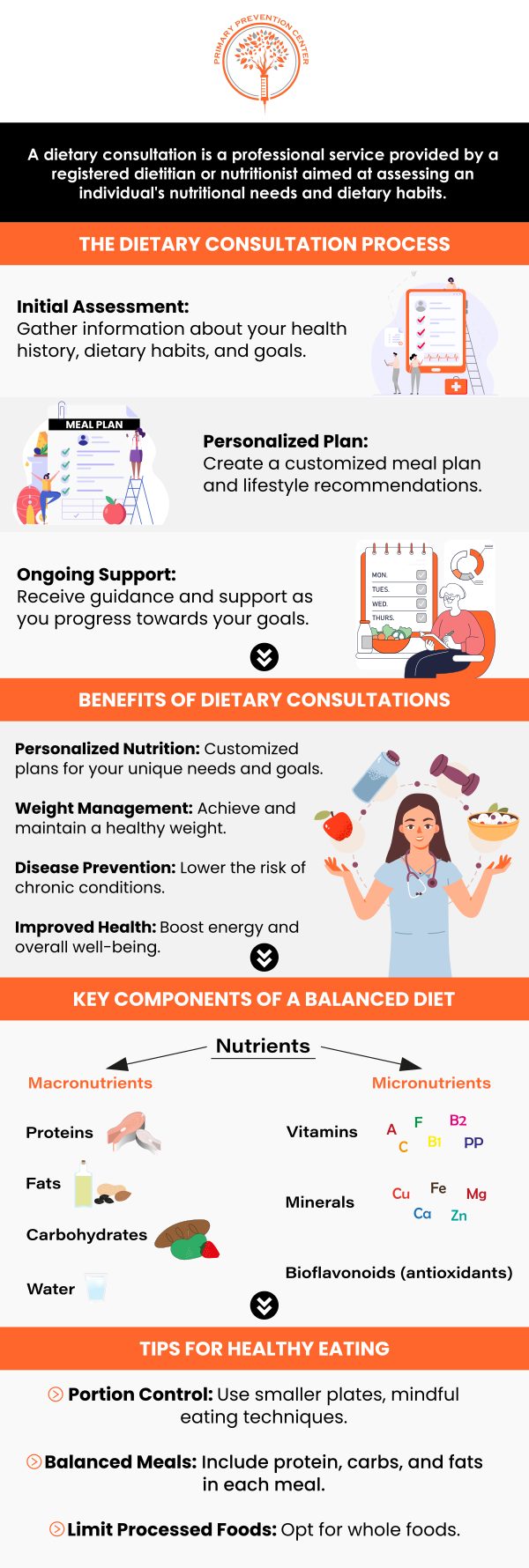
Table of Contents:
What is a comprehensive dietary consultation?
How can a dietary consultation help with weight loss and wellness in women?
How can nutrition support women’s hormonal health?
What are some dietary tips for improving energy and overall wellness in women?
Why Personalized Dietary Consultations Are Essential for Women’s Wellness at Primary Prevention Center
A comprehensive dietary consultation is a personalized assessment that examines an individual’s current eating habits, lifestyle, medical history, and nutritional needs to develop a plan that supports overall health. At the Primary Prevention Center, our team considers how food interacts with metabolism, hormone balance, and energy levels. The consultation begins with a detailed review of food preferences, allergies, and daily routines, while also evaluating blood work, digestive health, and markers for chronic conditions like diabetes, hypertension, or autoimmune issues.
This type of consultation also explores how nutrient timing, macronutrient balance, and micronutrient sufficiency influence energy, mood, and immune function. They incorporate practical strategies that fit into real-life routines, offering guidance on meal composition, hydration, and portion control. Patients leave with knowledge about how specific foods impact inflammation, blood sugar, and hormonal fluctuations. Patients are provided with tools for understanding labels, preparing balanced meals, and making informed choices when dining out or traveling.
Whether the patient is looking to improve energy, manage chronic conditions, or enhance overall wellness, the specialists develop measurable milestones, adjusting the plan as needed based on feedback, lab results, or lifestyle changes. By combining clinical insight with practical guidance, a comprehensive dietary consultation helps patients make meaningful changes that improve health outcomes and quality of life.
Dietary consultations provide a roadmap for weight management that is rooted in understanding individual metabolism, hormonal health, and lifestyle factors. Providers assess how stress, sleep patterns, activity levels, and nutrient intake influence weight and body composition. Instead of relying solely on restrictive diets, the consultation explores sustainable changes that promote fat loss, maintain lean mass, and support overall wellness. Tailored meal plans focus on quality protein, healthy fats, fiber, and micronutrient-dense foods that stabilize blood sugar, reduce cravings, and enhance satiety. Women experience unique challenges in weight management due to hormonal fluctuations, reproductive cycles, and life transitions like pregnancy or menopause. A dietary consultation addresses these factors by identifying foods and nutrient ratios that optimize metabolism and hormone regulation. The specialists analyze markers for thyroid function, estrogen balance, insulin sensitivity, and adrenal health to create interventions that support long-term weight maintenance.
In addition to nutrition guidance, the consultation integrates behavioral and lifestyle strategies. Meal planning, mindful eating, and stress management techniques are incorporated to support adherence and reduce emotional or habitual eating patterns. The team also recommends practical approaches such as meal prepping, cooking workshops, and group exercise programs tailored to the individual’s schedule and preferences. Our team provides ongoing monitoring to adjust the plan as the patient progresses, ensuring that weight loss strategies meet the patient’s evolving needs.
Nutrition can help regulate hormones by providing the foundation for hormone production, metabolism, and signaling. Providers may assess how macronutrient ratios, micronutrient intake, and meal timing influence estrogen, progesterone, testosterone, cortisol, and thyroid hormones. Specific foods, such as those rich in omega-3 fatty acids, magnesium, zinc, and B vitamins, support hormone synthesis and balance, while fiber and phytonutrients help the body eliminate excess hormones and reduce inflammation. Tailoring these strategies to a woman’s life stage allows interventions that reduce symptoms of PMS, perimenopause, and menopause.
Our dietary consultation examines patterns of carbohydrate intake, protein distribution, and the timing of meals to prevent spikes and crashes that disrupt insulin and cortisol. When blood sugar is balanced, hormones such as estrogen and progesterone are better regulated, helping with energy, mood, and reproductive health. The specialists at the Primary Prevention Center combine nutrition with lifestyle guidance, such as stress management and exercise, to support overall endocrine function.
A healthy microbiome supports estrogen metabolism, reduces inflammation, and improves nutrient absorption. The consultation may recommend probiotics, prebiotic-rich foods, and anti-inflammatories. dietary strategies to optimize gut function. By addressing gut-hormone interactions, the plan not only supports reproductive hormones but also cognitive function, mood stability, and immune resilience.
Sustained energy and wellness begin with a foundation of balanced macronutrients. Consistent protein intake throughout the day helps to stabilize blood sugar, support muscle function, and enhance satiety. Incorporating healthy fats, such as avocados, nuts, and omega-3-rich fish, provides long-lasting fuel and supports cognitive function, while complex carbohydrates from whole grains, legumes, and vegetables provide steady glucose without the crashes associated with refined sugars. This combination helps maintain energy and focus throughout the day.
Vitamins and minerals such as magnesium, iron, B vitamins, and vitamin D influence metabolism, energy production, and oxygen transport. The consultation identifies gaps that may contribute to fatigue or reduced resilience and recommends strategies for increasing nutrient intake through both food and supplementation when necessary. Our team also evaluate hydration habits, as even mild dehydration can affect mental clarity, endurance, and overall vitality. Spacing meals appropriately, including balanced snacks when needed, and aligning food intake with activity levels can also prevent energy slumps and improve metabolic efficiency. Primary Prevention Center encourages mindful eating practices that reduce stress on the digestive system and support optimal absorption of nutrients. Techniques such as slow chewing, meal journaling, and awareness of hunger and fullness cues enhance both energy and digestive wellness.
At the Primary Prevention Center, we understand that women’s wellness requires a unique approach. Our team provides personalized dietary consultations tailored to your specific needs, helping you make informed decisions about food, nutrition, and lifestyle changes. With our support, you can achieve better health, enhanced energy, and balanced wellness that lasts.
Personalized dietary consultations at Primary Prevention Center focus on understanding your individual health goals, daily habits, nutritional needs, and wellness concerns. Our team works closely with you to develop practical nutrition strategies that fit your lifestyle, support long-term health, and help you build sustainable habits for overall well-being. For more information, contact us or request an appointment online. We are located at 638 Newtown-Yardley Road Suite 2G/H, Newtown, PA 18940. We serve patients from Newtown PA, Richboro PA, Newtown Grant PA, Churchville PA, Woodbourne PA, Yardley PA, Bucks County PA, and surrounding areas.
Check Out Our 5 Star Reviews



Additional Services We Offer
▸ Dietary Consultation & Planning
▸ IV Vitamin Therapy
▸ Diabetes
▸ Hypertension
▸ Insomnia
▸ Autoimmune Disease
▸ Meal planning


 Send Text
 How May I Help You?